Comparison:Citroen C4 Cactus 2018 Vs. Mazda CX-30 2019 (new)
Welcome to our comprehensive comparison between two distinguished vehicles that have sparked discussions and curiosities among many: the Citroen C4 Cactus and the Mazda CX-30. Each model brings its unique blend of styling, technology, and performance to the table, making the decision quite perplexing for potential buyers. Through a detailed dive into their specifications, we aim to shed light on which car edges out in various categories such as model information, dimensions, engine and drivetrain aspects, as well as consumption and ecology. Join us as we meticulously analyze each parameter set to help you make an informed choice between these automotive marvels.
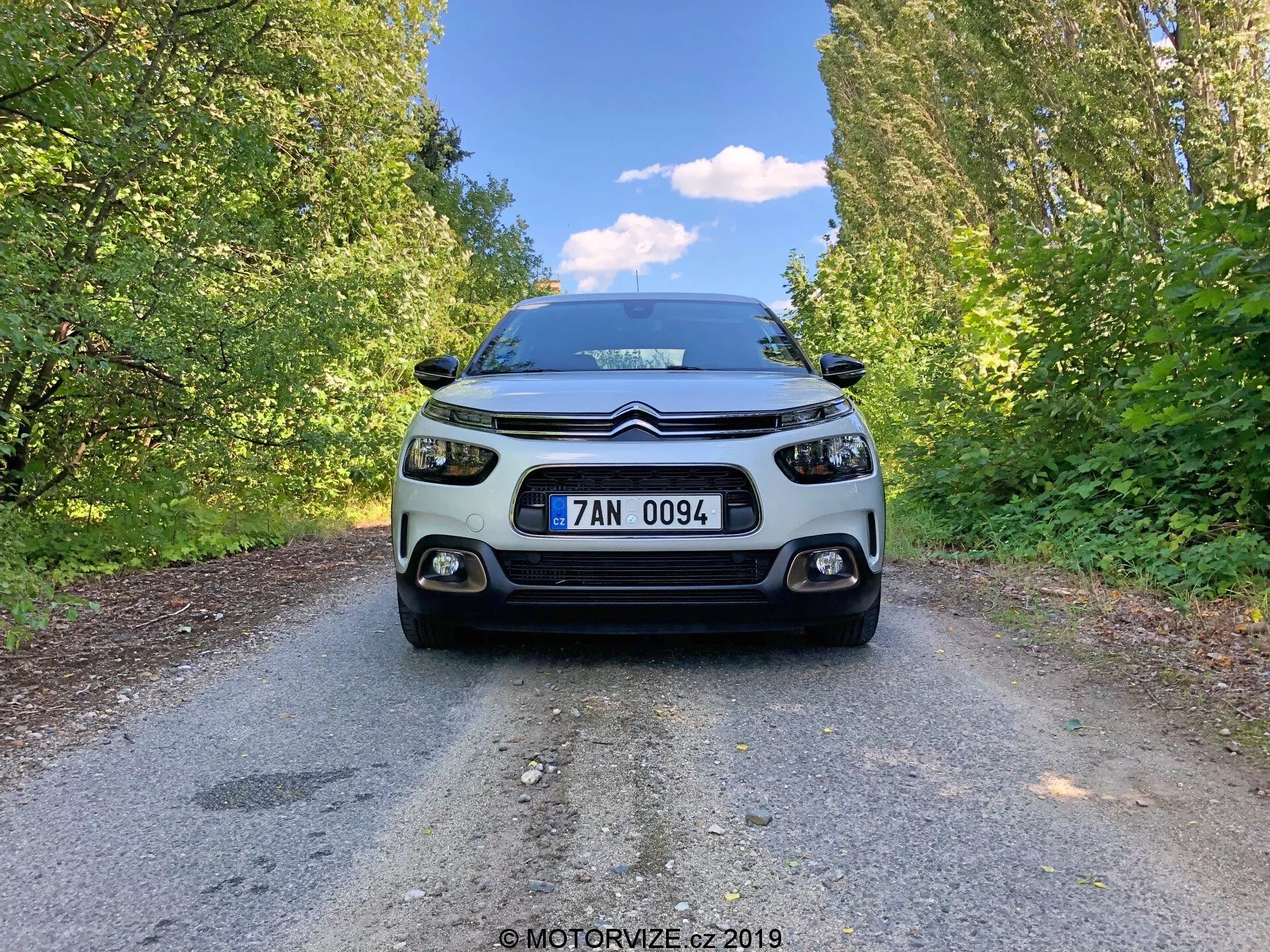
Citroen C4 Cactus
Add to comparison
Dimensions
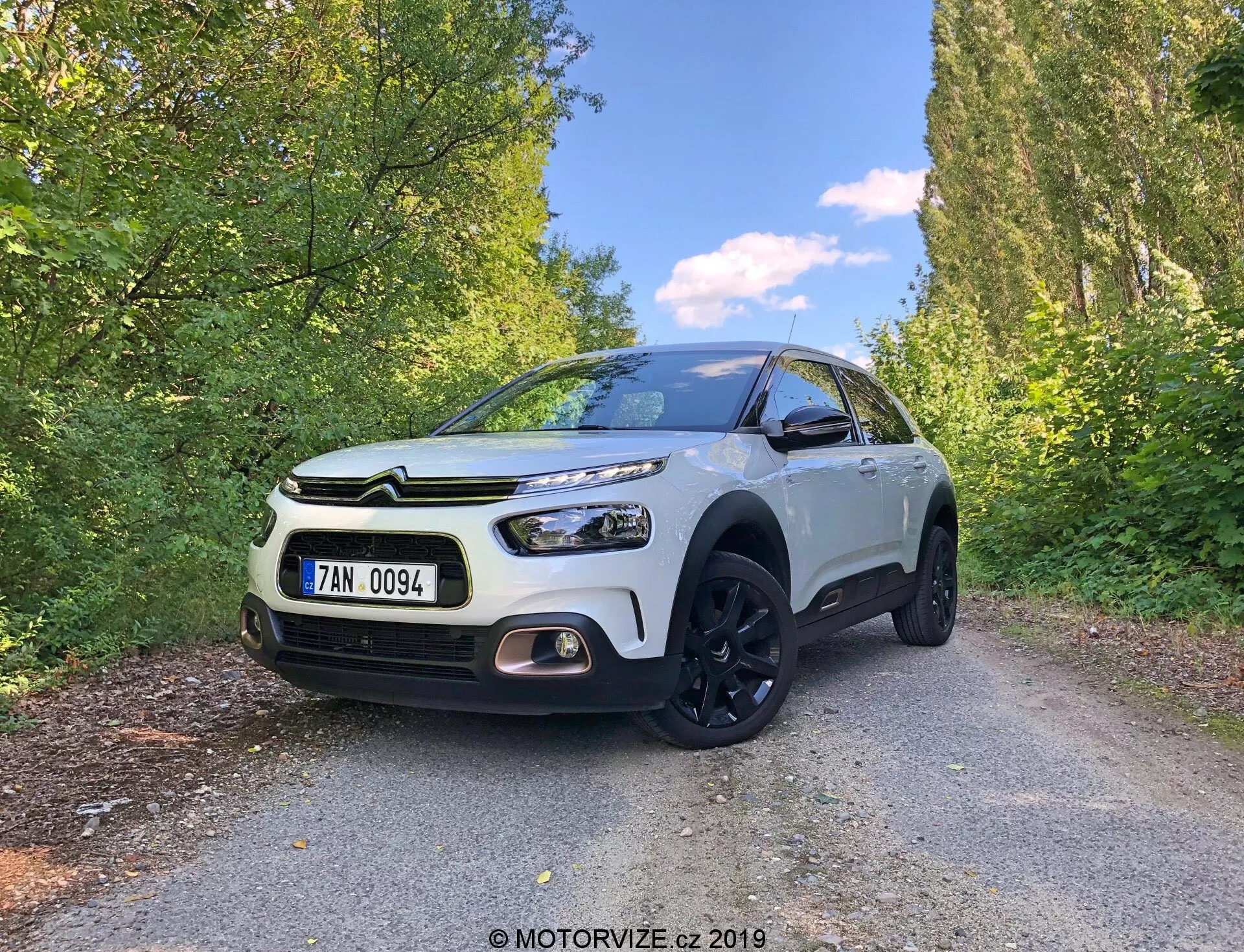
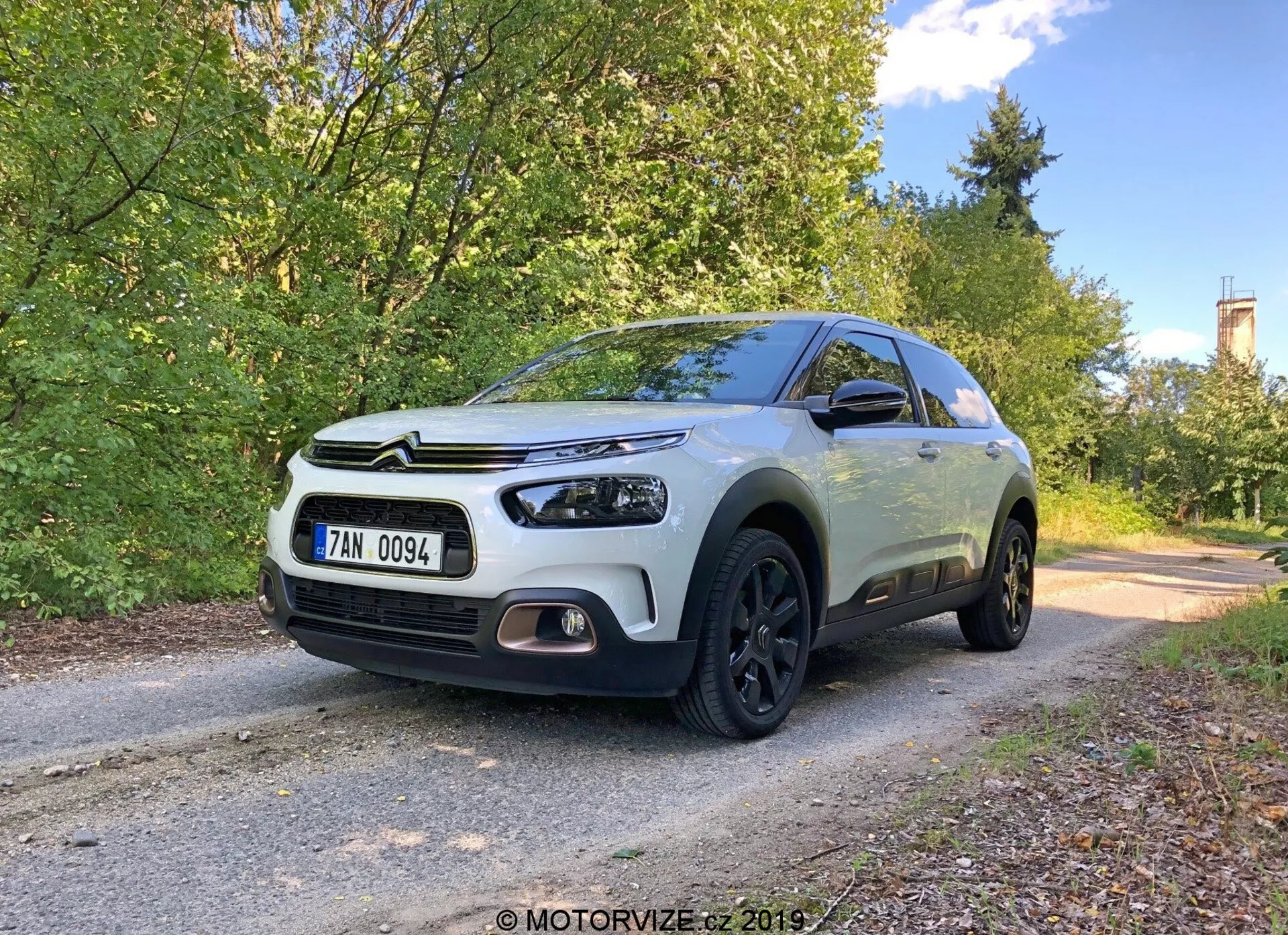
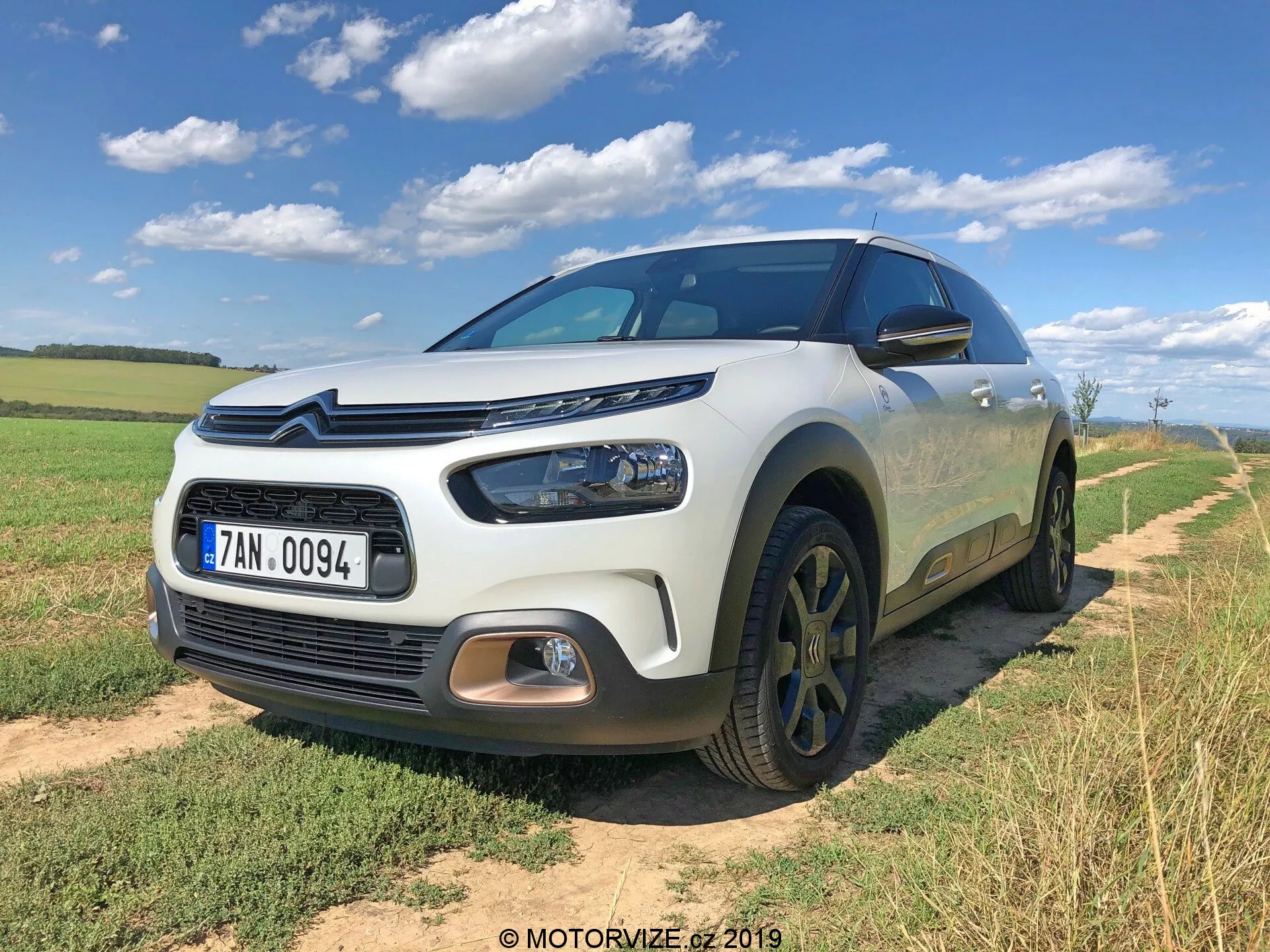
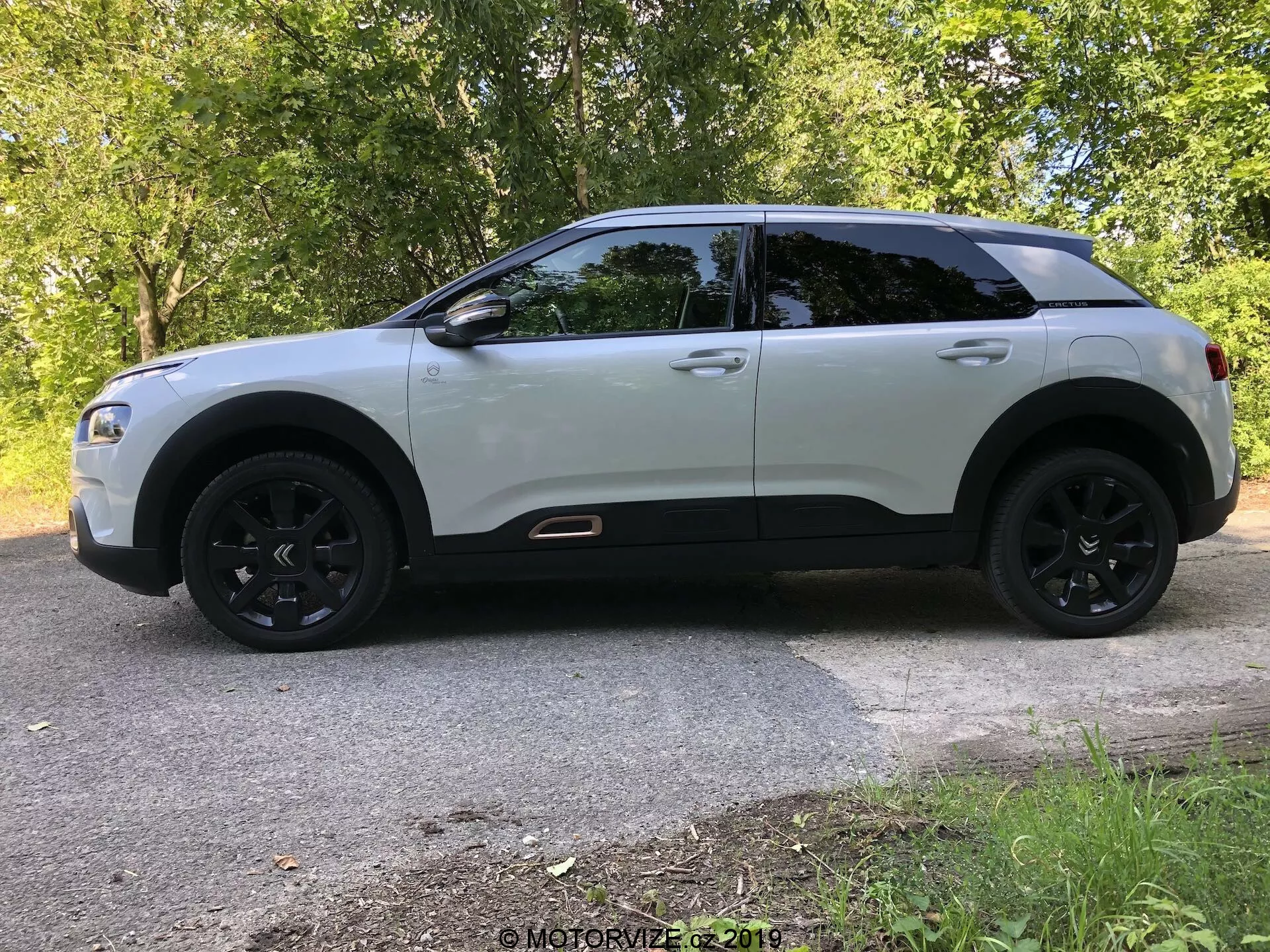
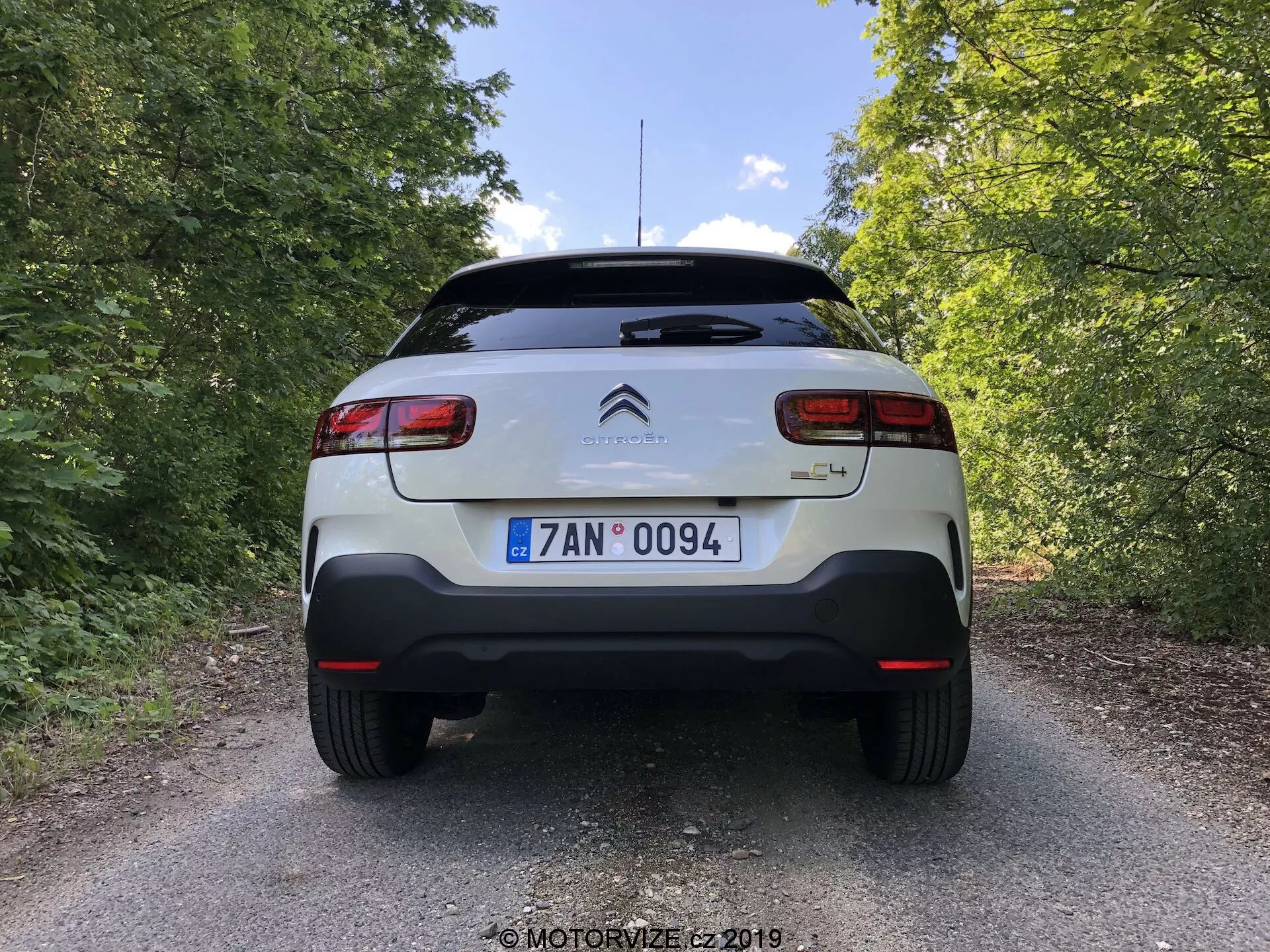
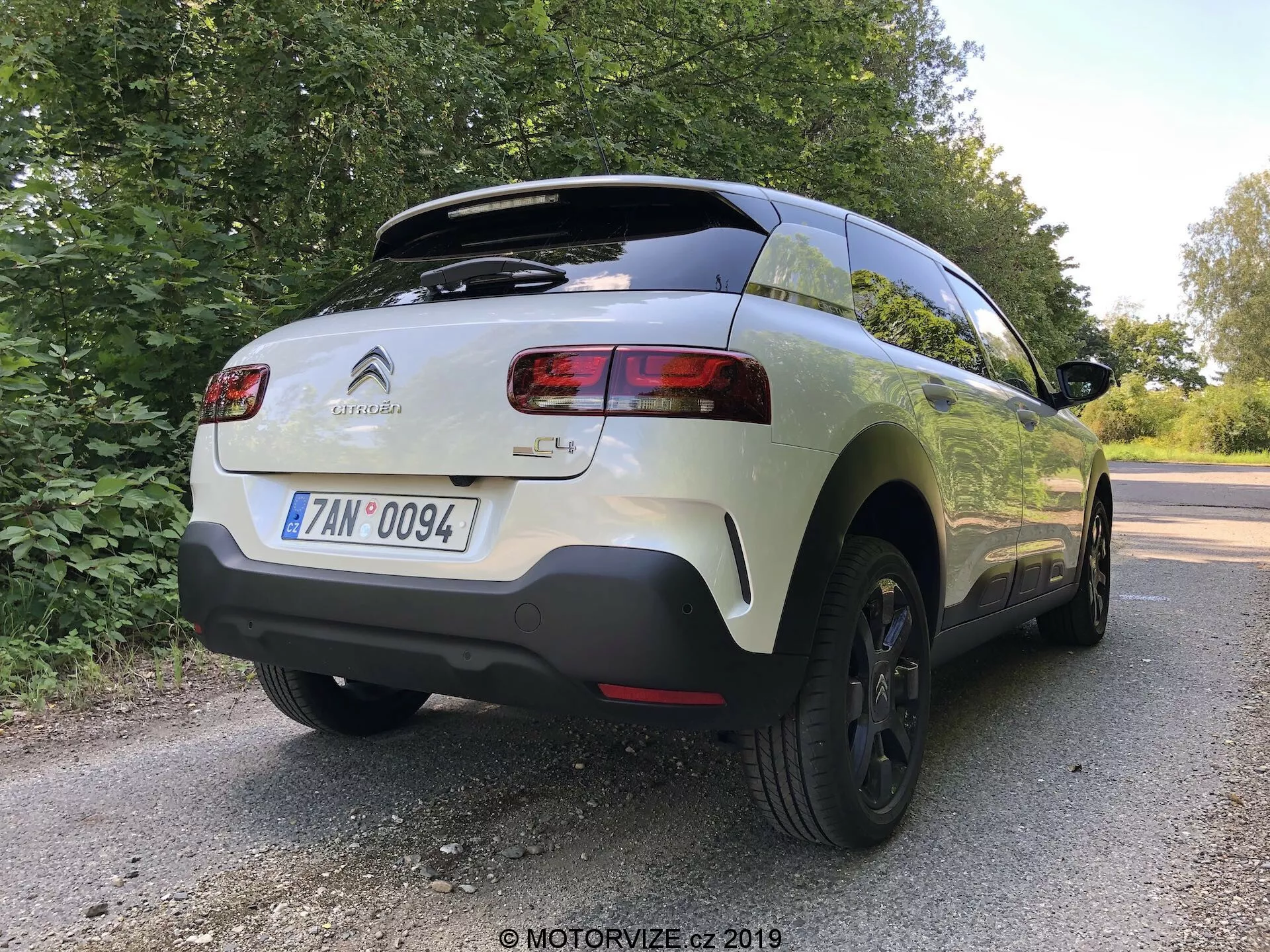
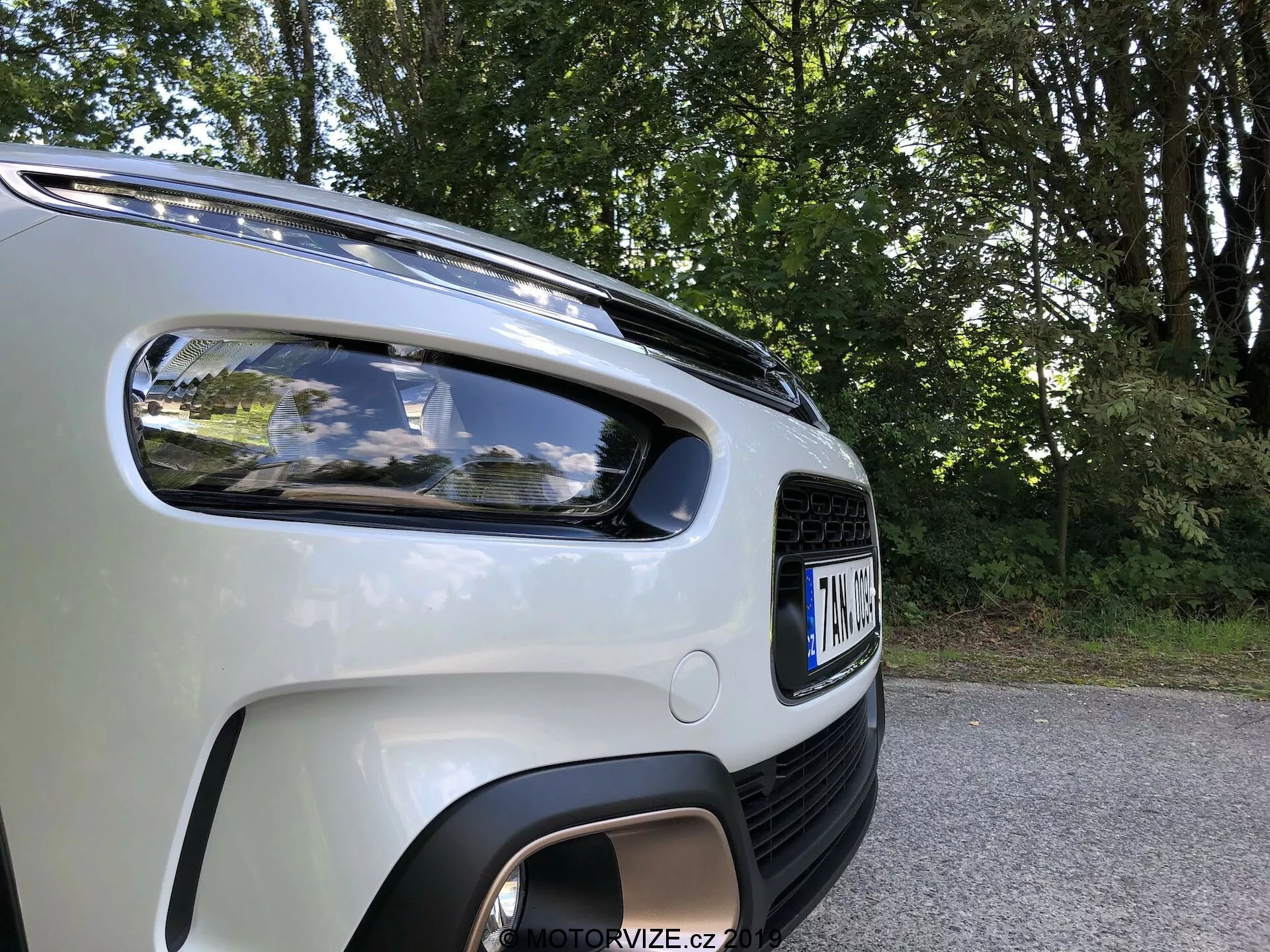
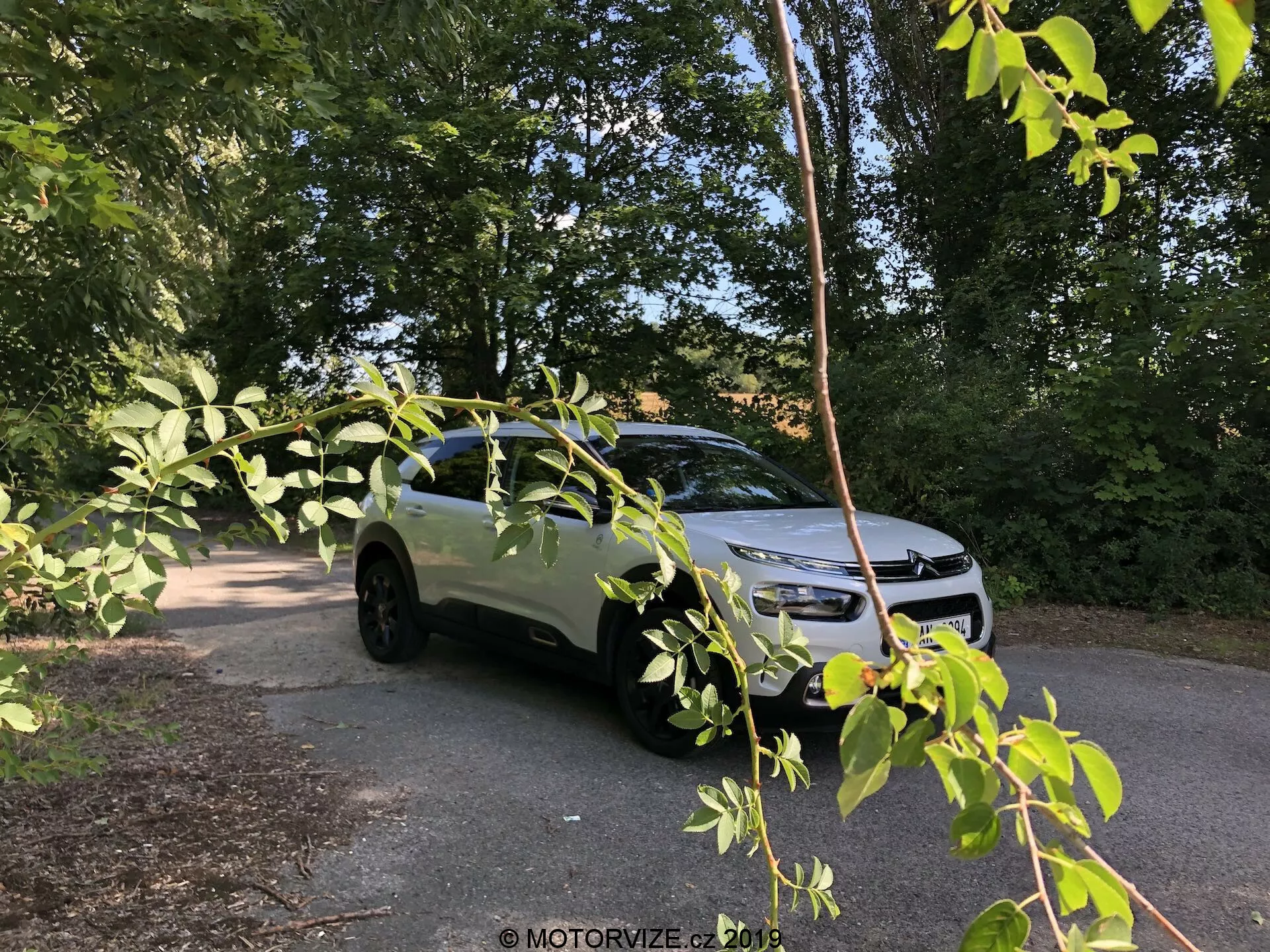
When comparing dimensions, the Mazda CX-30 takes the lead in several aspects, demonstrating a larger overall presence. With a length of 4395 mm, a wheelbase of 2655 mm, and a width of 1795 mm (2040 mm including mirrors), it surpasses the Citroen C4 Cactus in size. The C4 Cactus, smaller, measures 4170 mm in length, has a 2595 mm wheelbase, and is 1714 mm wide (1979 mm including mirrors). However, in terms of height and turning circle, the Mazda CX-30 continues to excel with a height of 1540 mm (compared to the C4 Cactus's 1480 mm) and a slightly more advantageous turning circle. In addition, it boasts a higher ground clearance at 175 mm. This not only suggests the Mazda's robust stature but also hints at potentially better interior space and comfort, coupled with enhanced off-road capability.





Boot/interior
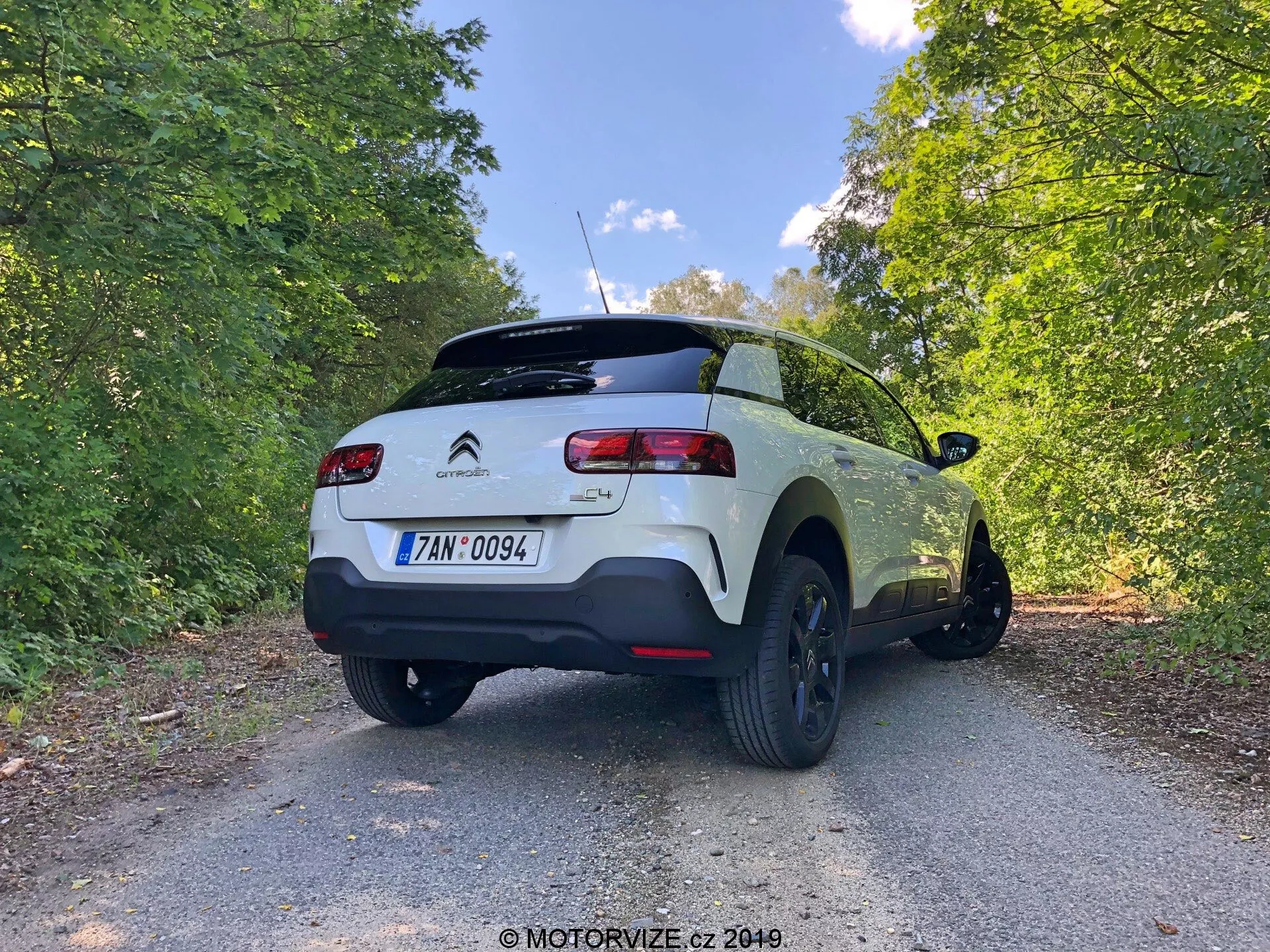
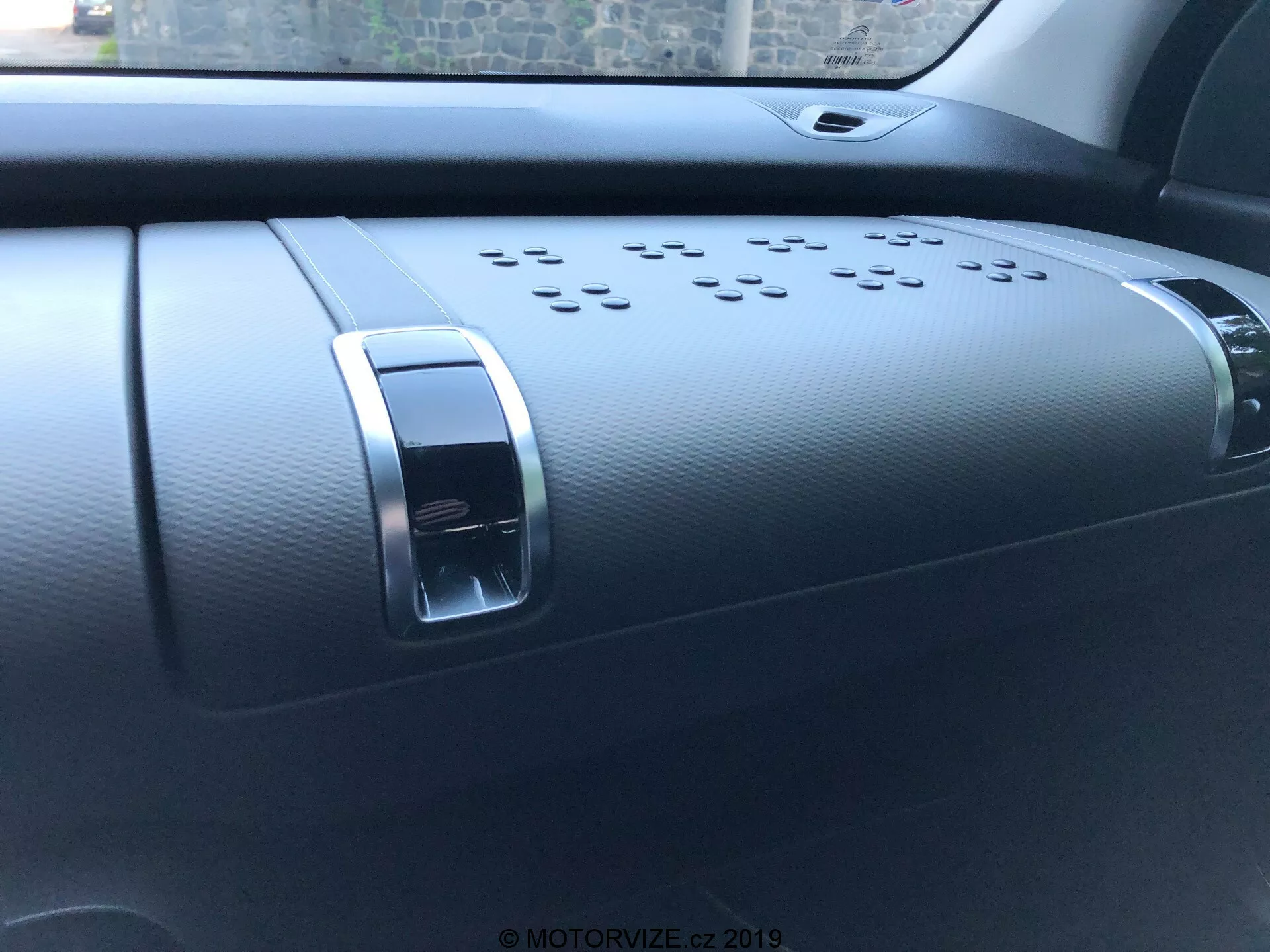
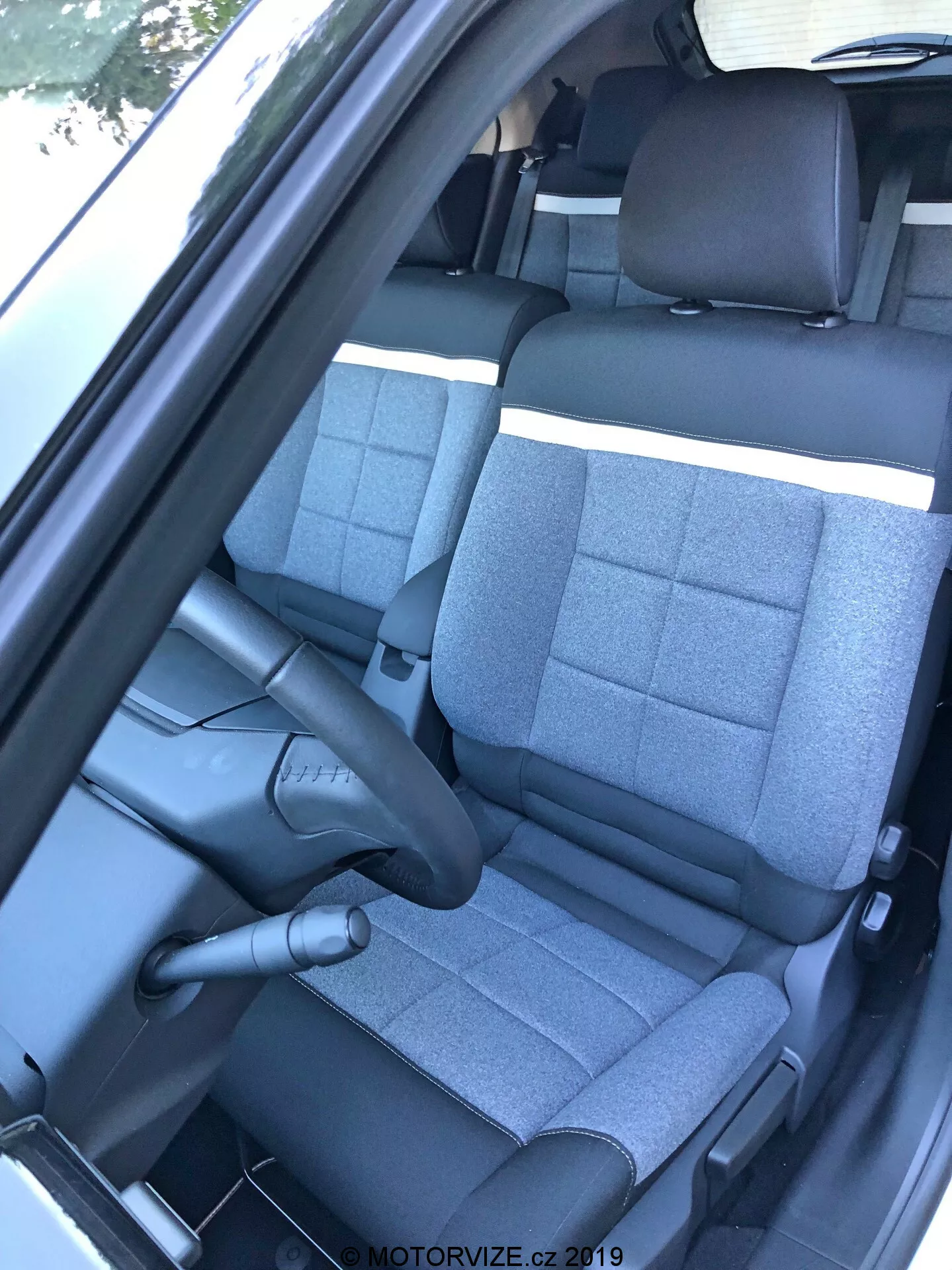
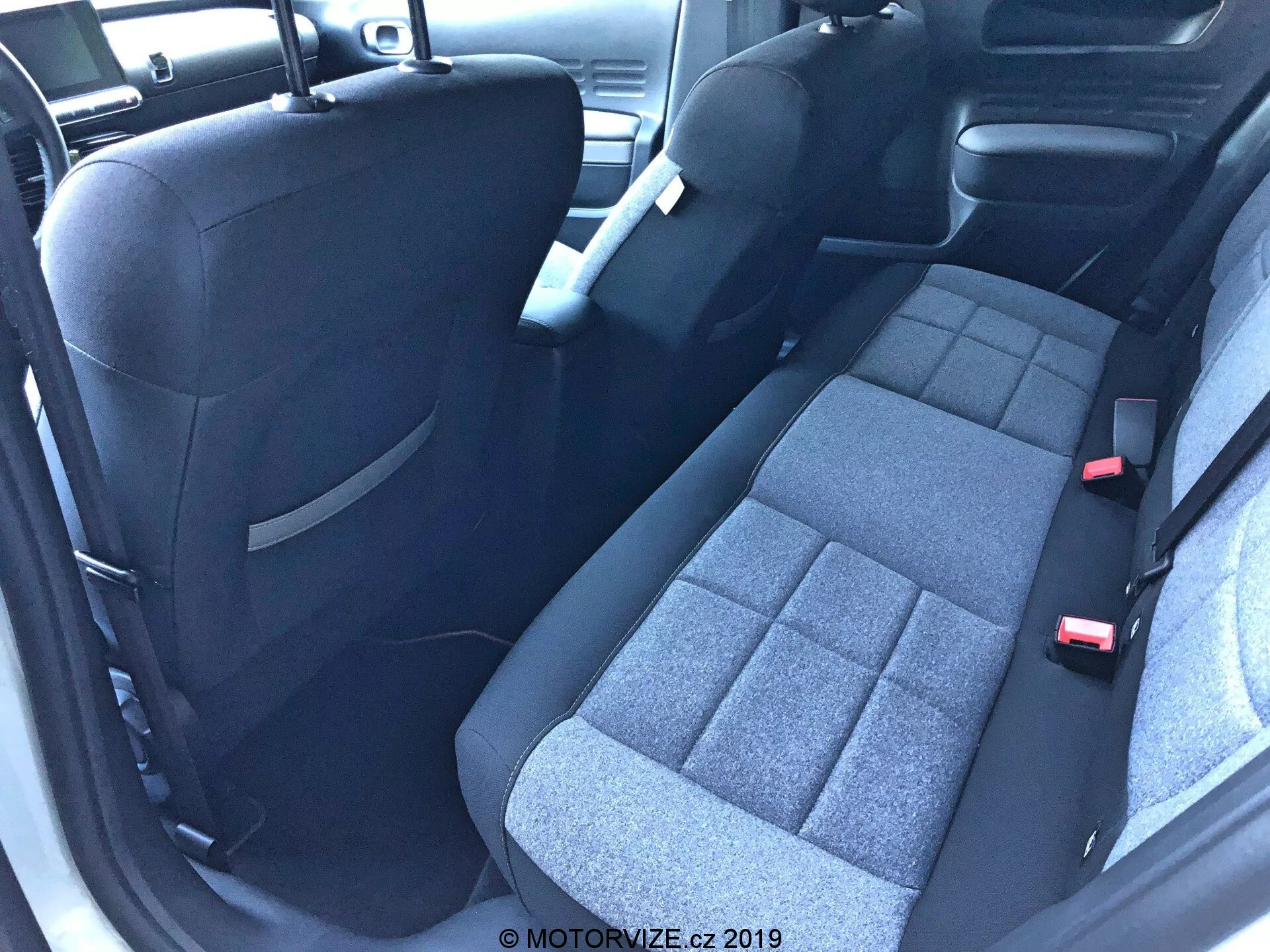
In the realm of boot space and interior versatility, the Mazda CX-30 again outshines its competitor. It offers a boot capacity of 430 liters, significantly surpassing the C4 Cactus's 348 liters. When it comes to maximizing this space with the rear seats folded, the CX-30 offers up to 1406 liters, compared to C4 Cactus's 1170 liters. Both vehicles maintain equality with 5 seats and the convenience of Isofix as standard, ensuring they cater well to families. This comparison clearly shows that for potential buyers prioritizing cargo space and flexibility for passenger accommodation, the Mazda CX-30 provides a compelling advantage.
Engines/drivetrain
Exploring the engines and drivetrain characteristics, we uncover some nuanced distinctions between the Citroen C4 Cactus and the Mazda CX-30. Both models offer a range with the Citroen hosting engines with 5 to 6 gears, hinting at variety in driving dynamics. The Mazda CX-30, however, standardizes on 6 gears across its range, potentially offering a more unified driving experience. In terms of engine configuration, the C4 Cactus presents options ranging from 3 to 4 cylinders, while the Mazda consistently offers 4 cylinders, suggesting a steady approach in performance delivery. Speed capabilities show the Citroen with a maximum of 208 km/h, slightly outpacing the Mazda's 204 km/h. When assessing power, the Mazda's engines can deliver significantly more, with up to 137 kW compared to Citroen's 96 kW, promising enhanced performance. However, both demonstrate strong torque figures, with Citroen reaching up to 300 Nm and Mazda peaking at 270 Nm. Summarily, while the Citroen C4 Cactus offers a broad spectrum of engine choices and a slight edge in maximum speed, the Mazda CX-30 stands out with its consistent performance and higher power output, catering well to those seeking a thrilling drive.
Consumption/ecology
On the ecological front, both vehicles showcase their attempts to blend performance with efficiency. The Citroen C4 Cactus presents a range in tank sizes from 45 to 50 liters, while the Mazda CX-30's range is slightly more expansive from 48 to 51 liters. Interestingly, the C4 Cactus boasts an impressive minimum combined consumption of just 3.4 liters per 100 km, vastly outperforming the Mazda CX-30's WLTP figure of 5.1 liters per 100 km. This significant difference highlights the Citroen's efforts in optimizing fuel efficiency, making it an attractive option for the eco-conscious buyer. Furthermore, Mazda's WLTP CO2 emissions range suggests a consideration for environmental impact, ensuring both vehicles have their merits in ecological concerns.
Weight/towing
Assessing their capabilities in weight and towing, a clear distinction emerges. The Citroen C4 Cactus ranges from a lighter 1105 kg to 1255 kg, whereas the Mazda CX-30 asserts a more robust presence from 1395 kg to 1585 kg. This implies that the Mazda, while potentially offering a sturdier feel on the road, may also incur higher fuel consumption due to its weight. In towing capabilities, the Mazda decisively outperforms with a braked trailer capacity of 1300 kg compared to the Citroen's maximum of 950 kg. This superior towing capacity makes the Mazda CX-30 the favorable choice for those requiring extra utility from their vehicle. Despite the Citroen C4 Cactus having a slightly higher max roof load, the Mazda's advantages in weight and towing capacities present it as a more versatile and capable companion for various driving demands.