Comparison:SEAT Arona 2025 (new) Vs. VW Tiguan 2024 (new)
Stepping into the world of automotive comparisons, prospective buyers often find themselves contemplating the balance between practicality, performance, and the myriad of vehicle specifics that set each model apart. Today, we delve into the details, juxtaposing two popular contenders: the compact and sprightly Seat Arona against the sturdier, more spacious Volkswagen Tiguan. Let's gear up to discern the nuances that distinguish these SUVs and aid you in steering towards a decision that best fits your driving aspirations and lifestyle.
SEAT Arona
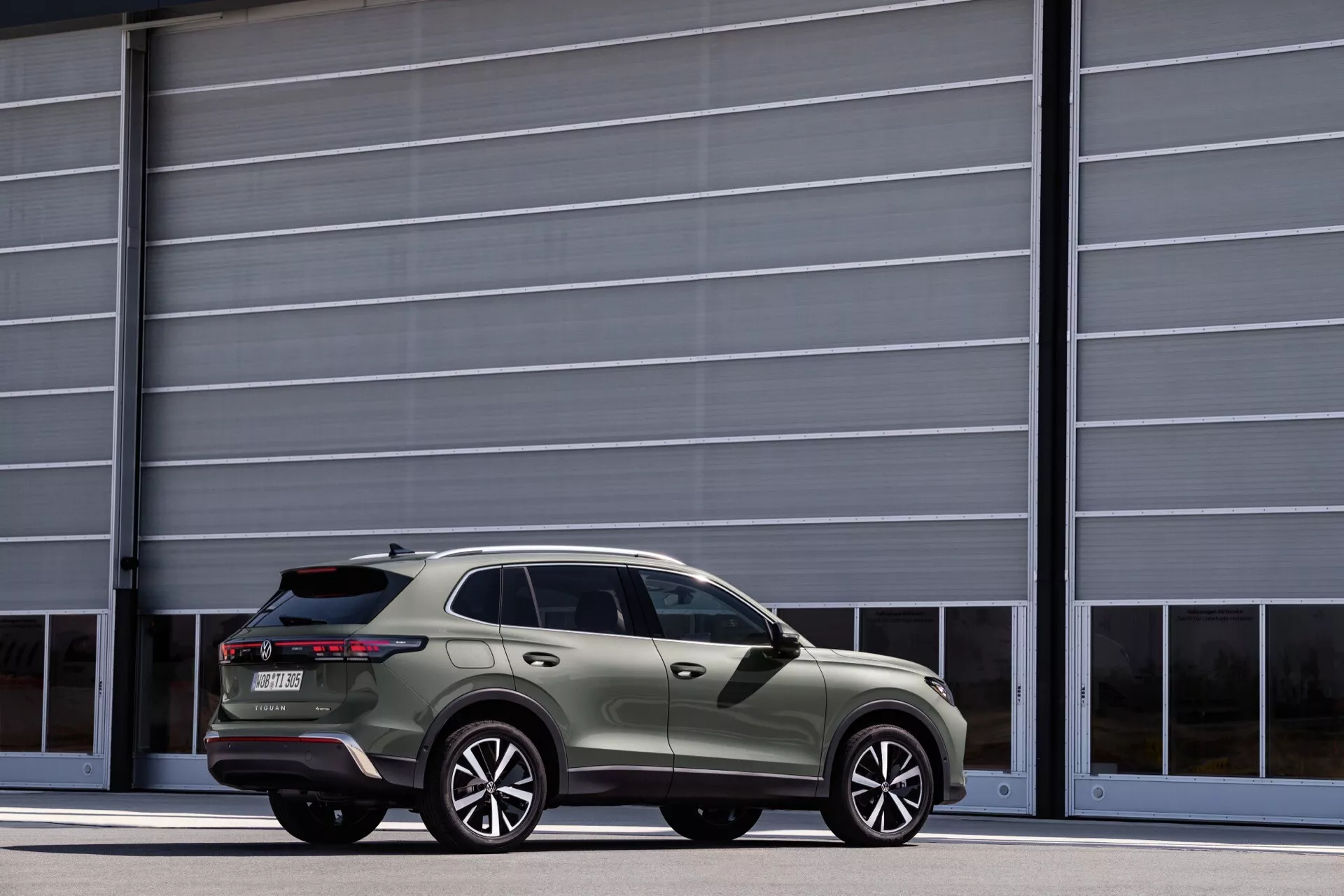
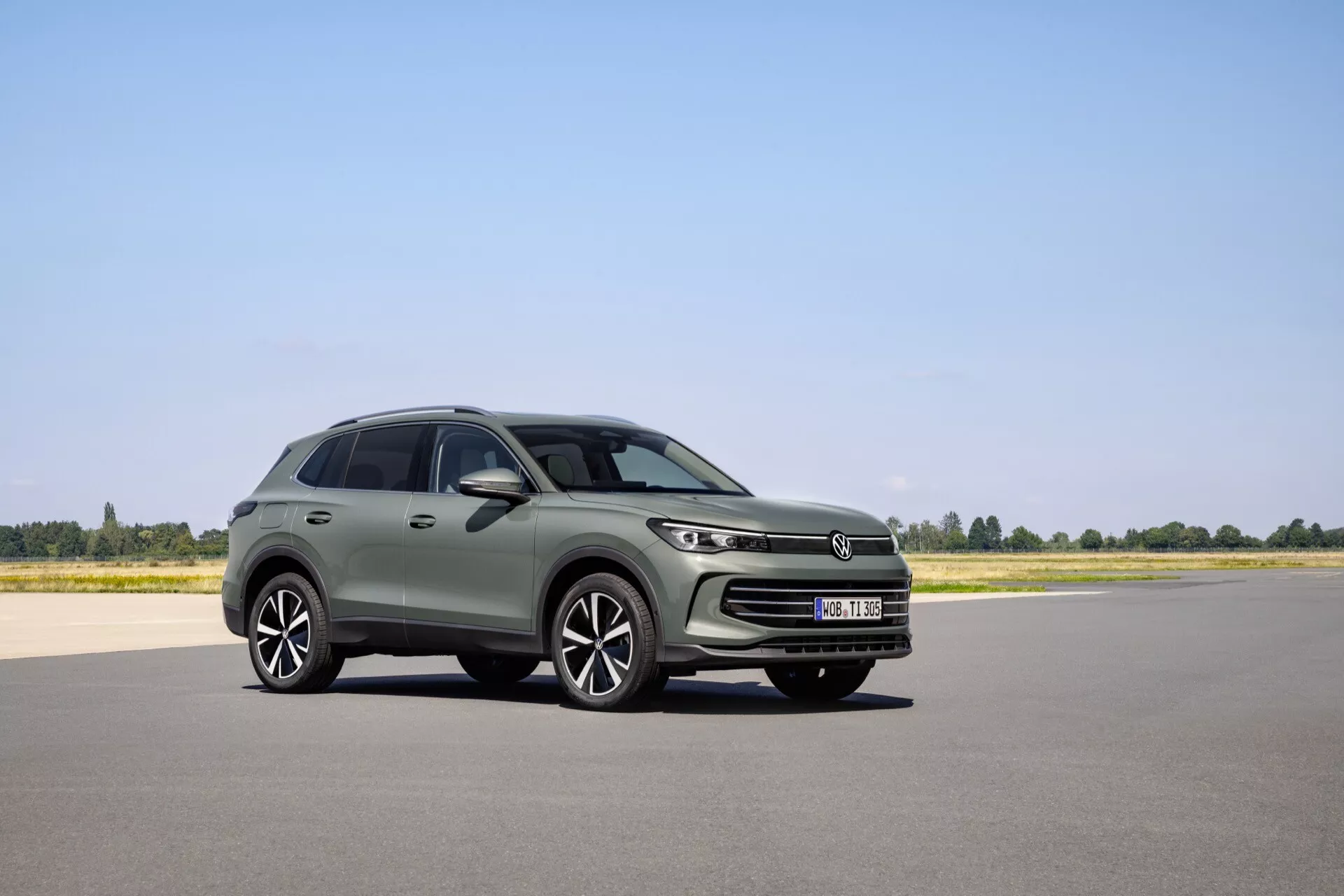
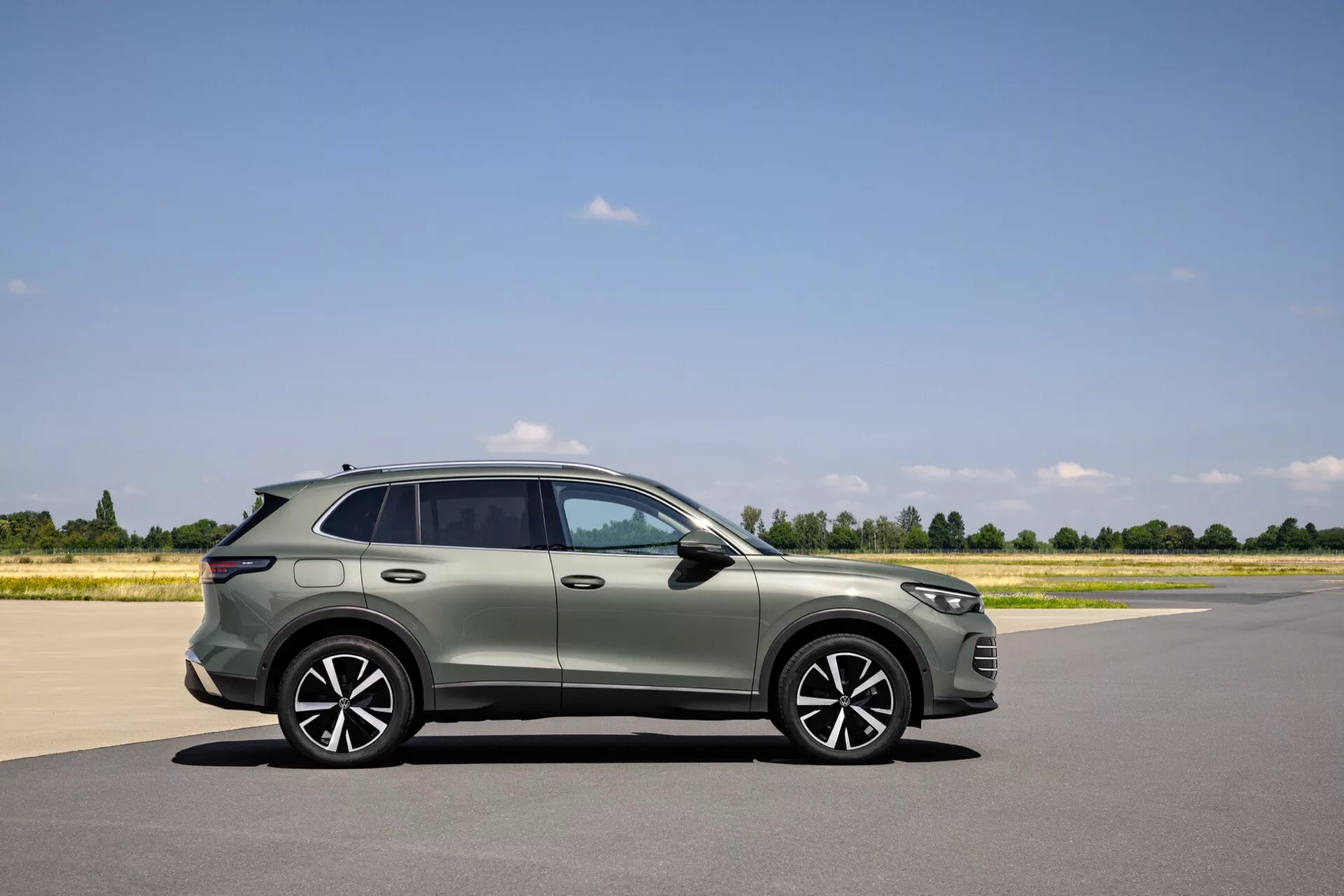
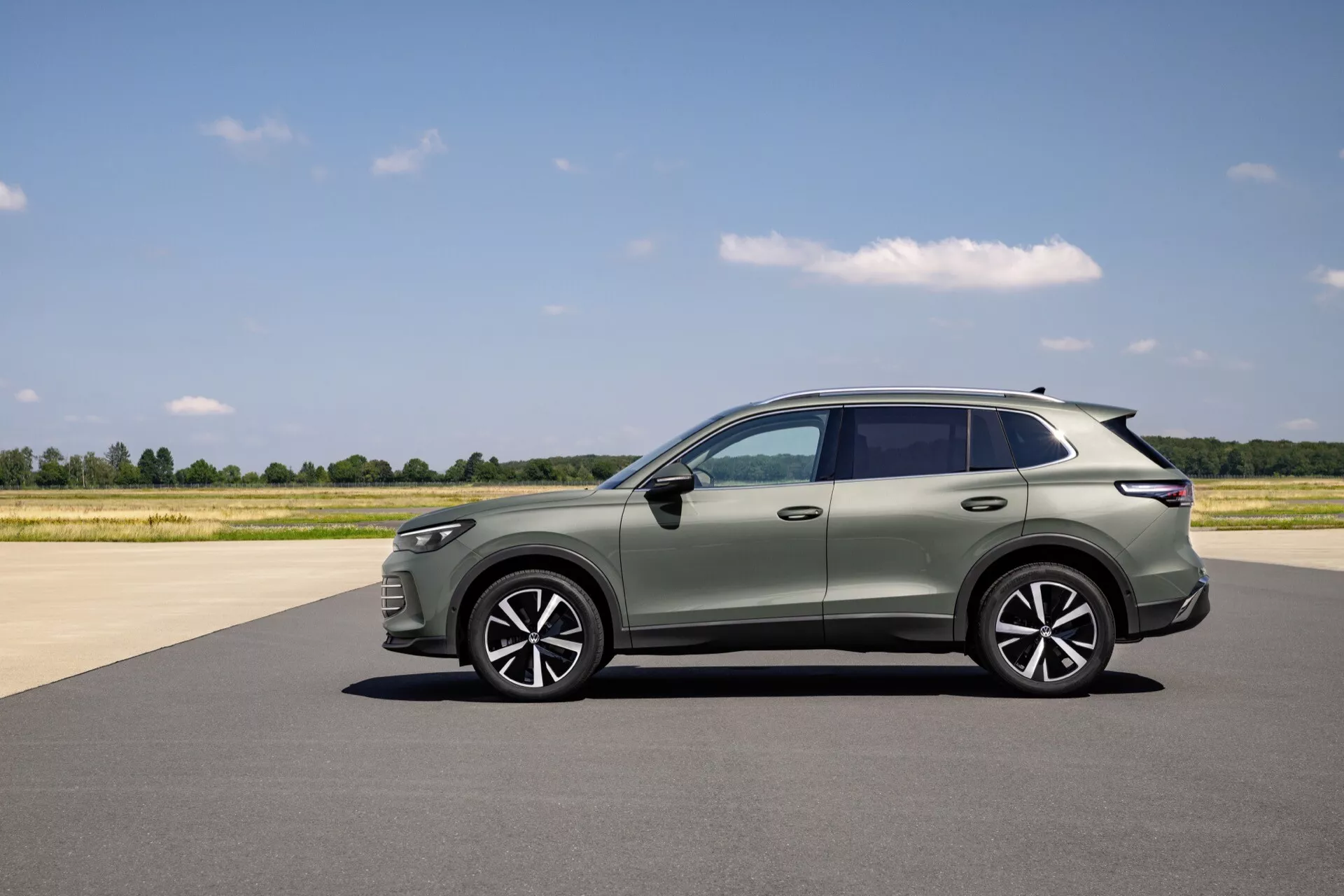
VW Tiguan
Add to comparison
Dimensions
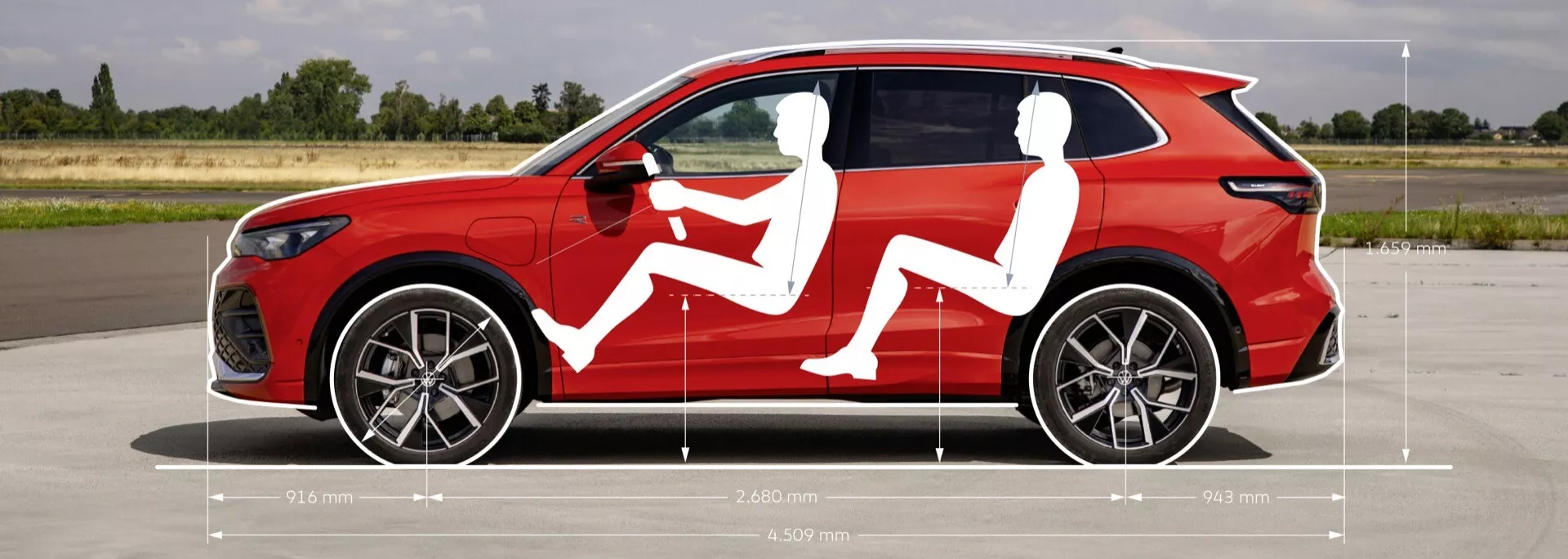
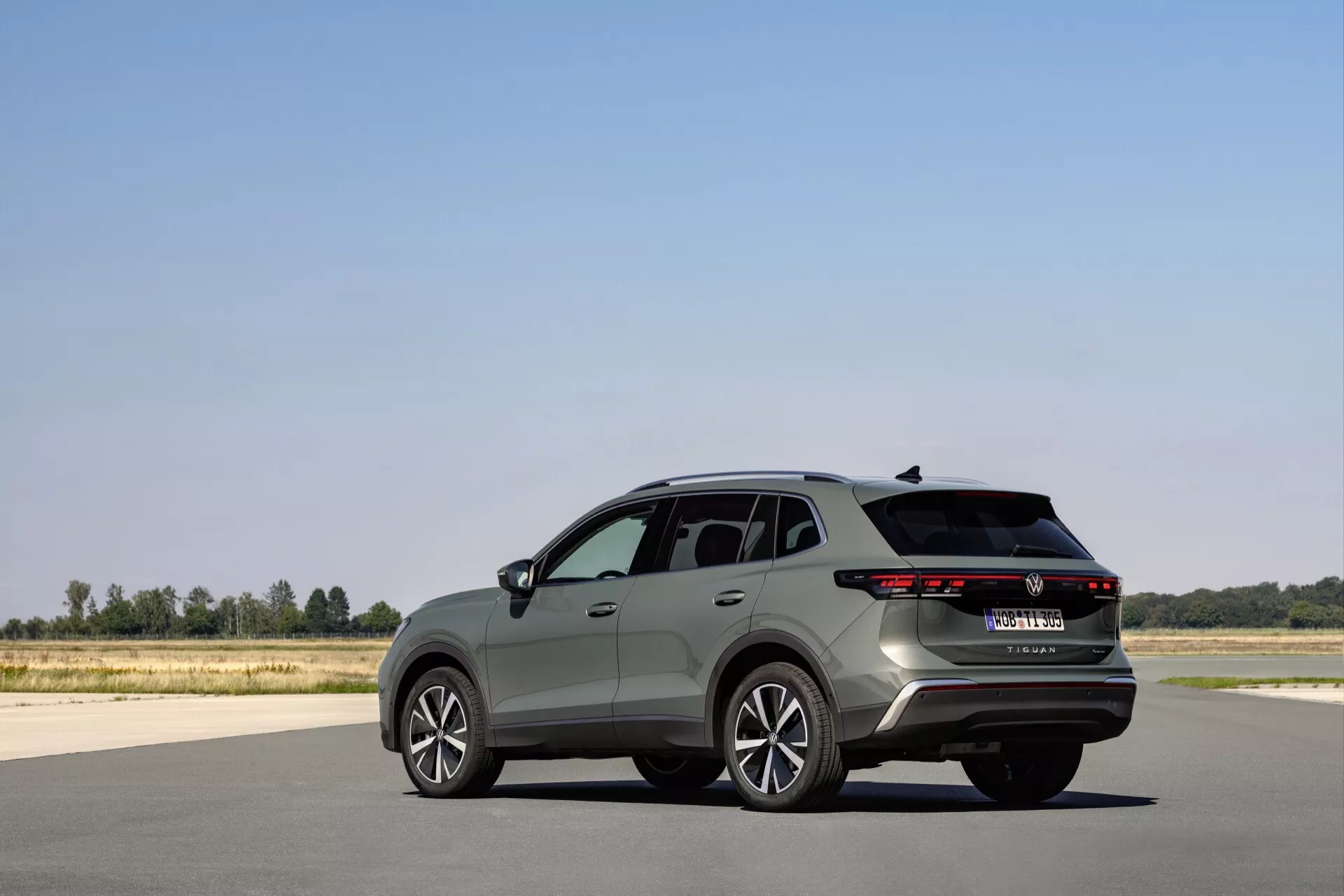
As we approach dimensions, it's evident that the Volkswagen Tiguan stretches out with greater length at 4539 mm compared to the Arona's 4153 mm, affirming its larger stature. Ample space continues to be a theme for the Tiguan with not only a wider body at 1842 mm versus Arona's 1780 mm but also includes a wider presence when factoring in mirrors. Height soars too with the Tiguan standing tall at 1660 mm compared to the Arona's 1552 mm. The Seat Arona, however, boasts a smaller turning circle at 10.60 meters, giving it an upper hand in the realm of nimble urban navigation, as opposed to the Tiguan's broader swing at 11.70 meters. Bigger isn't always better; it depends on your terrain of travel and parking preferences.



Boot/interior
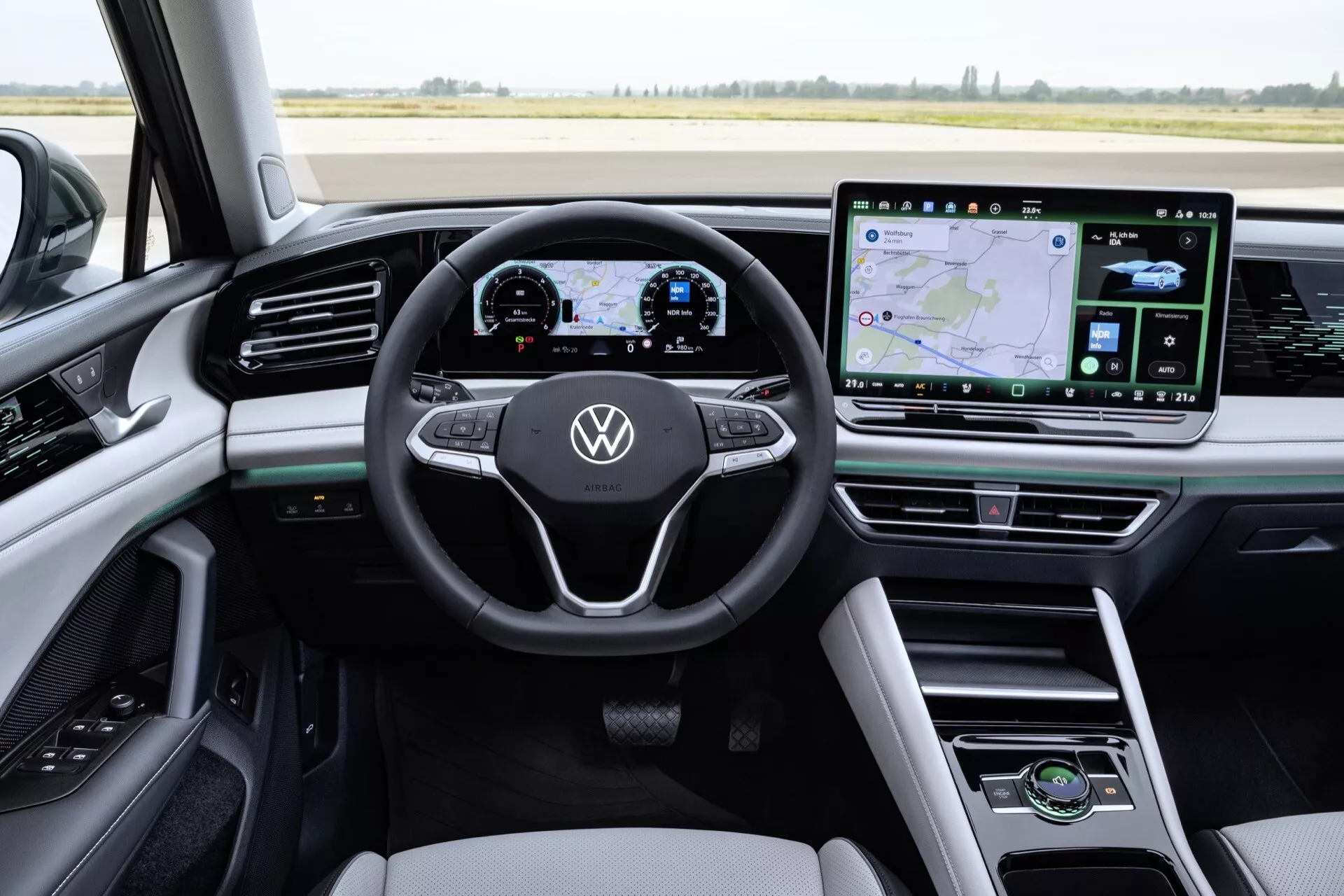
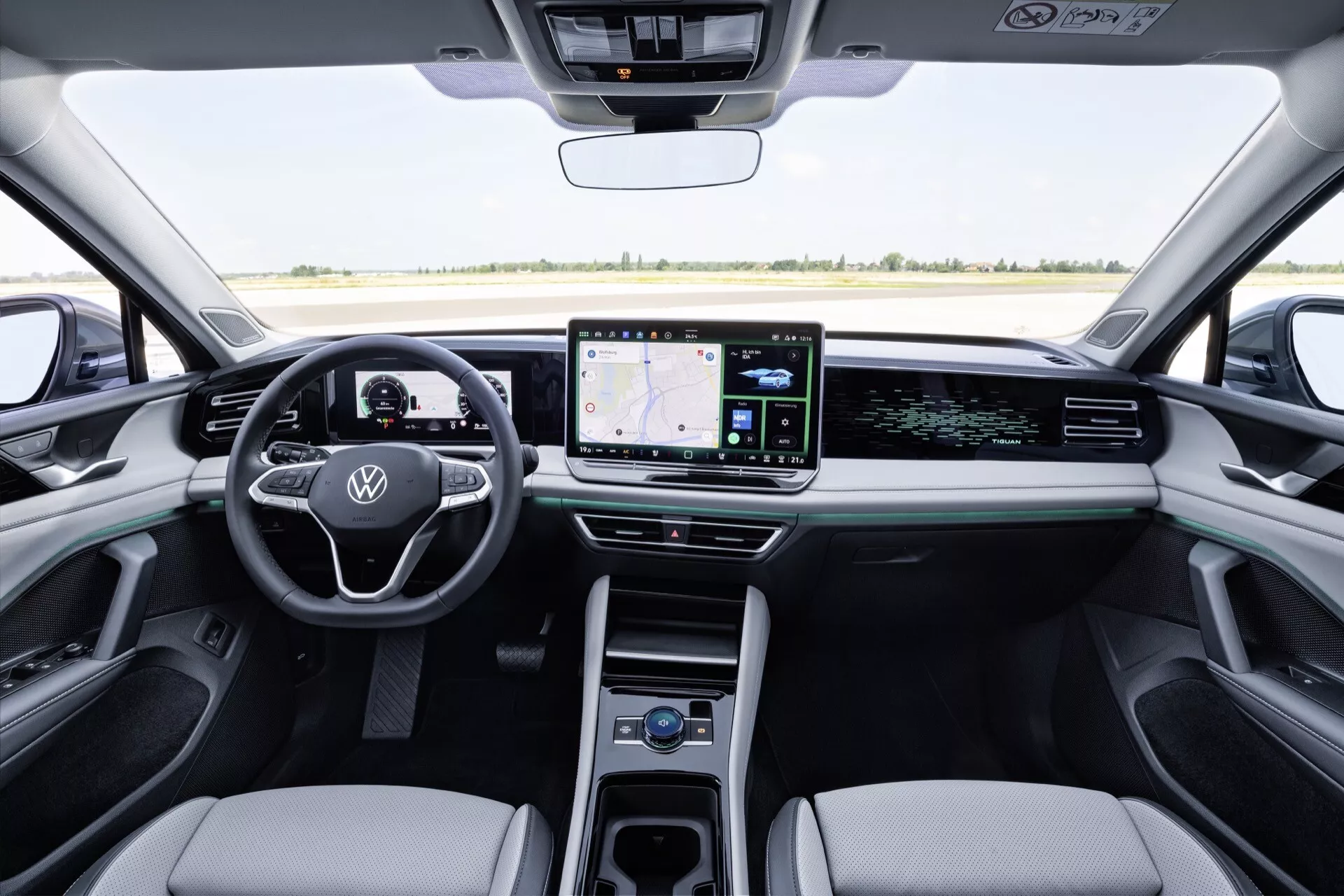
Hatch opening, it's time to inspect the boot and interior specifications. Here the Volkswagen Tiguan hauls ahead with a cavernous 652 liters of boot space, substantially more than the Arona's 282-400 liters, dependent on the engine selection. With seats folded, the Tiguan dominates again offering up to 1650 liters to Arona's 1162 liters. Yet, in terms of seating capacity, both vehicles accommodate five passengers with standard Isofix fittings – parents, breathe a sigh of relief. If space equates to luxury in your book, then the Tiguan wins this chapter hand down.
Engines/drivetrain
Under the bonnet, the range of the Seat Arona's engines starts off with a modest 5 gears, winding up to 7 in certain configurations, with the 1.0 TSI Style DSG being the top performer in its lineup. The Tiguan keeps it simple and consistent with 7 gears throughout its range. The Arona operates with a slighter engine variety, where you can find 3 to 4 cylinders, contrasting against the Tiguan's solid 4 cylinders across the board. Speed demons take note: the Tiguan matches the Arona’s top speed at a max of 210 km/h but trumps its entry-level pace with a minimum of 198 km/h against Arona's 178 km/h. Bringing horsepower into the stable, both peak at 110 kW, with the Tiguan extending a stronger pull in min torque, offering a biting 220 Nm over Arona’s 160 Nm, and stretching to a hefty 360 Nm against the nimble Arona's 250 Nm. Simply put, the Tiguan delivers more consistent force, but the Arona provides enough zest for an adventurous spin around the block.
Consumption/ecology
With fuel economy in mind, let's glance at the tank sizes. The versatile Seat Arona can sip from tanks ranging from 14 to 40 liters, dictated by engine choice, whereas the Tiguan presents a one-size-fits-all 55-liter tank, ensuring long journeys without frequent pit stops. On the emissions front, the Arona's range varies from a greener 103.0 g/km to 140.0 g/km, while the Tiguan's footprint is a tad heavier at 139.0 g/km and slightly higher at 146.0 g/km. When we talk tires, the Arona's 205/60R16 boots are slightly outshone by the Tiguan's 215/65R17. Eco-minded drivers might lean towards the Arona, but those with an itch for fewer refuels will veer towards the Tiguan's direction.
Weight/towing
Load the car, but don't exceed limits; the Seat Arona's empty weight commences at a featherweight 1185 kg, rising to 1311 kg, depending on your engine choice. The Volkswagen Tiguan brings more gravity to the situation, weighing between 1598 to 1677 kg. As for the toys you can tow, the Arona will confidently pull between 1000 to 1200 kg, whereas the Tiguan can shoulder a heftier 1600 to 2000 kg braked trailer load. Unbraked, it edges out the Arona again. Perhaps most telling is the tow bar load, with the Tiguan capable of bearing nearly double the Arona’s weight. If you're looking to haul more than groceries, the Tiguan is clearly the heavyweight champion here.
Offroad
For the off-road enthusiasts, the Volkswagen Tiguan presents itself as the more rugged option with stats such as a 15.20 ramp angle, an 18.60 departure angle, and a 15.90 approach angle. The Seat Arona does not boast such adventurous angles, therefore, for those inclined to traverse beyond the beaten path, the Tiguan may be your trusty steed.
EV
Lastly, in a world increasingly attuned to electric possibilities, neither the Seat Arona nor the Volkswagen Tiguan has fully taken the EV plunge in the presented data. Let's keep a weather eye on the horizon for their battery-powered incarnations.